Waterjet or Fiber Laser: How to Choose the Right Cutting Technology for Your Shop
Manufacturers have more cutting options than ever, but choosing the right technology starts with understanding what you need to cut and what you need your operation to accomplish. Material type and thickness, production requirements, and future growth all play a role. Rather than asking which technology is better, the more important question is: Which technology is right for your application?
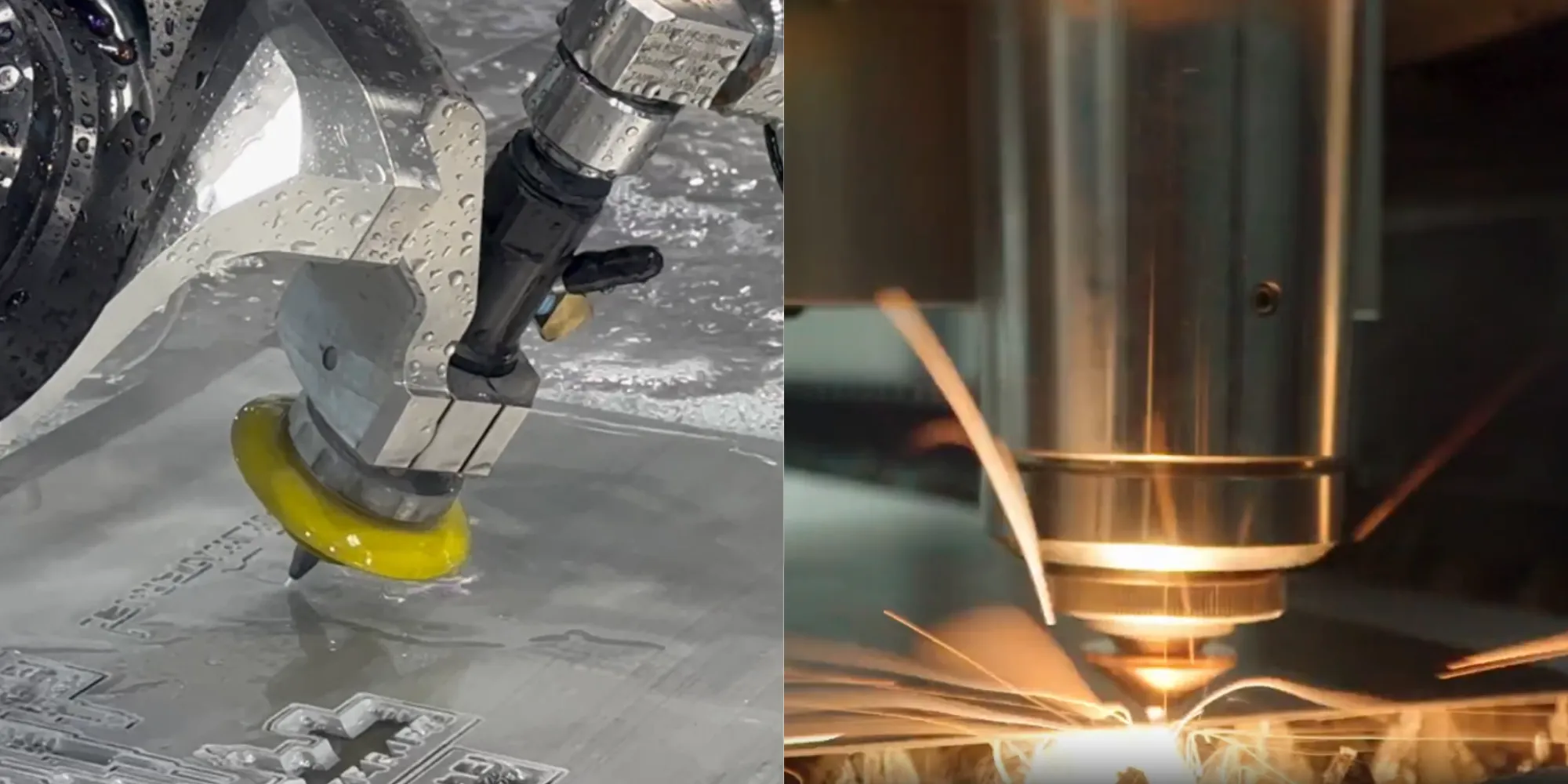
Fiber laser uses a concentrated beam of light to cut metal at high speed and precision. It is engineered for high-speed metal production and is especially effective where throughput, repeatability, and precision are critical.
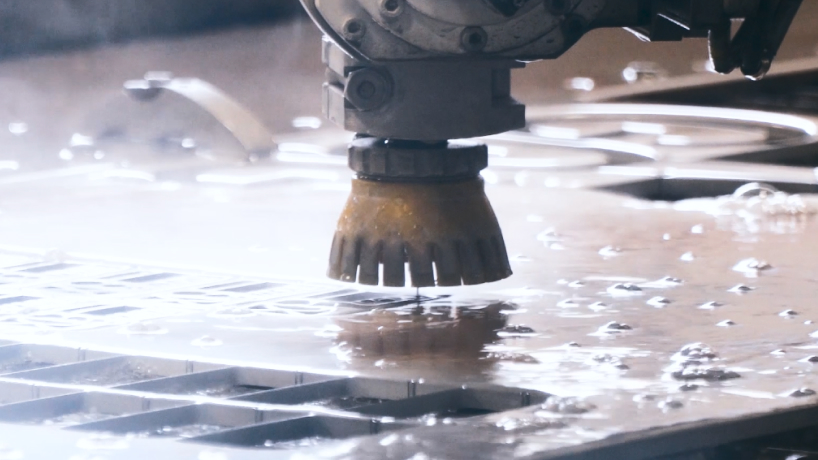
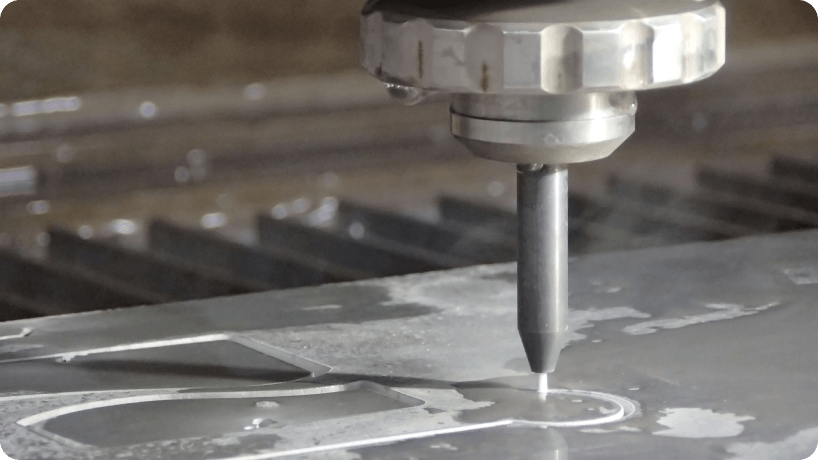
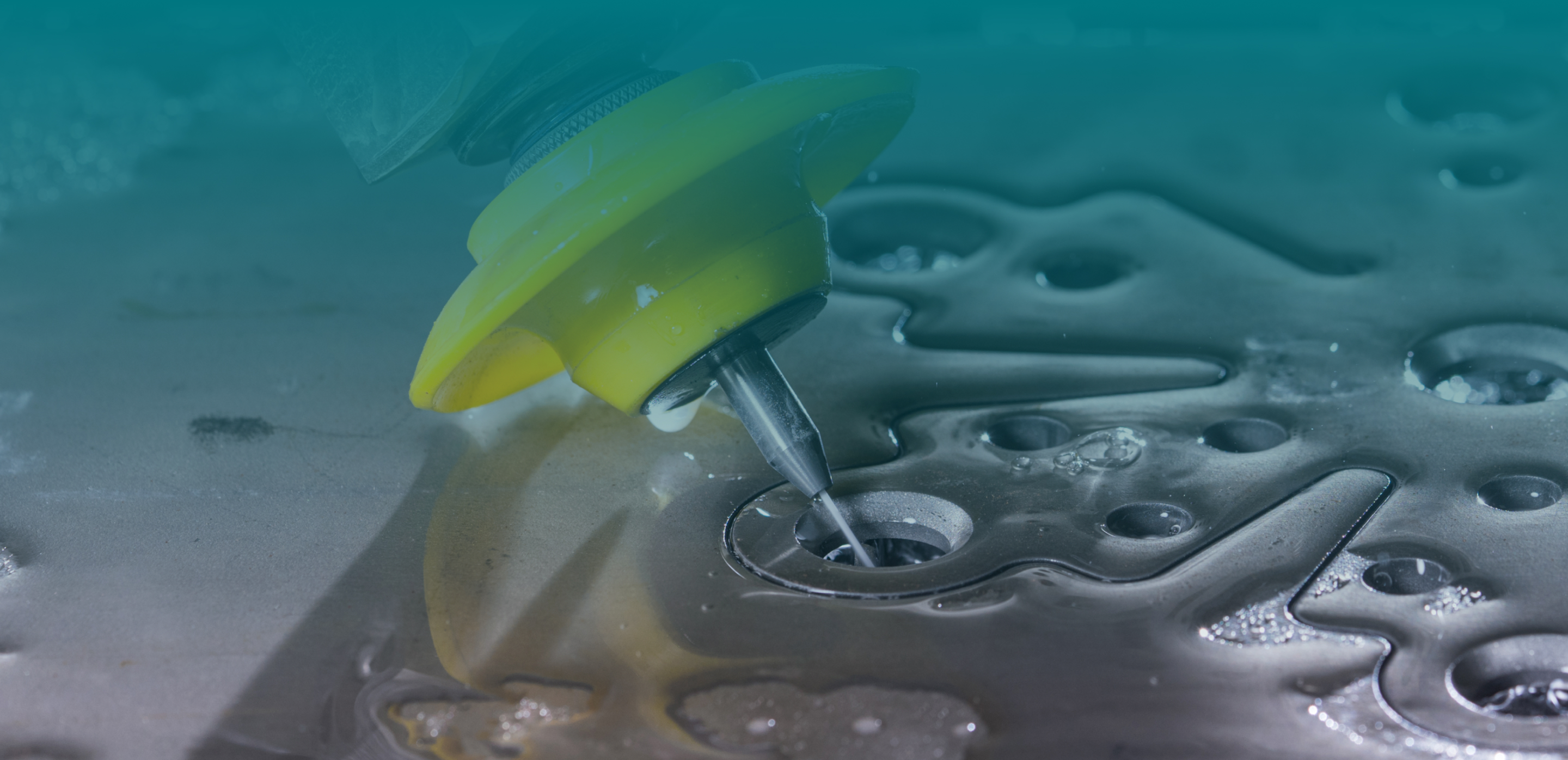
Waterjet takes a completely different approach. Using ultrahigh-pressure water, either alone or combined with abrasive, waterjet removes material through a controlled erosion process rather than heat. The result is an exceptionally versatile cold-cutting process that can cut virtually any material without creating a heat-affected zone.
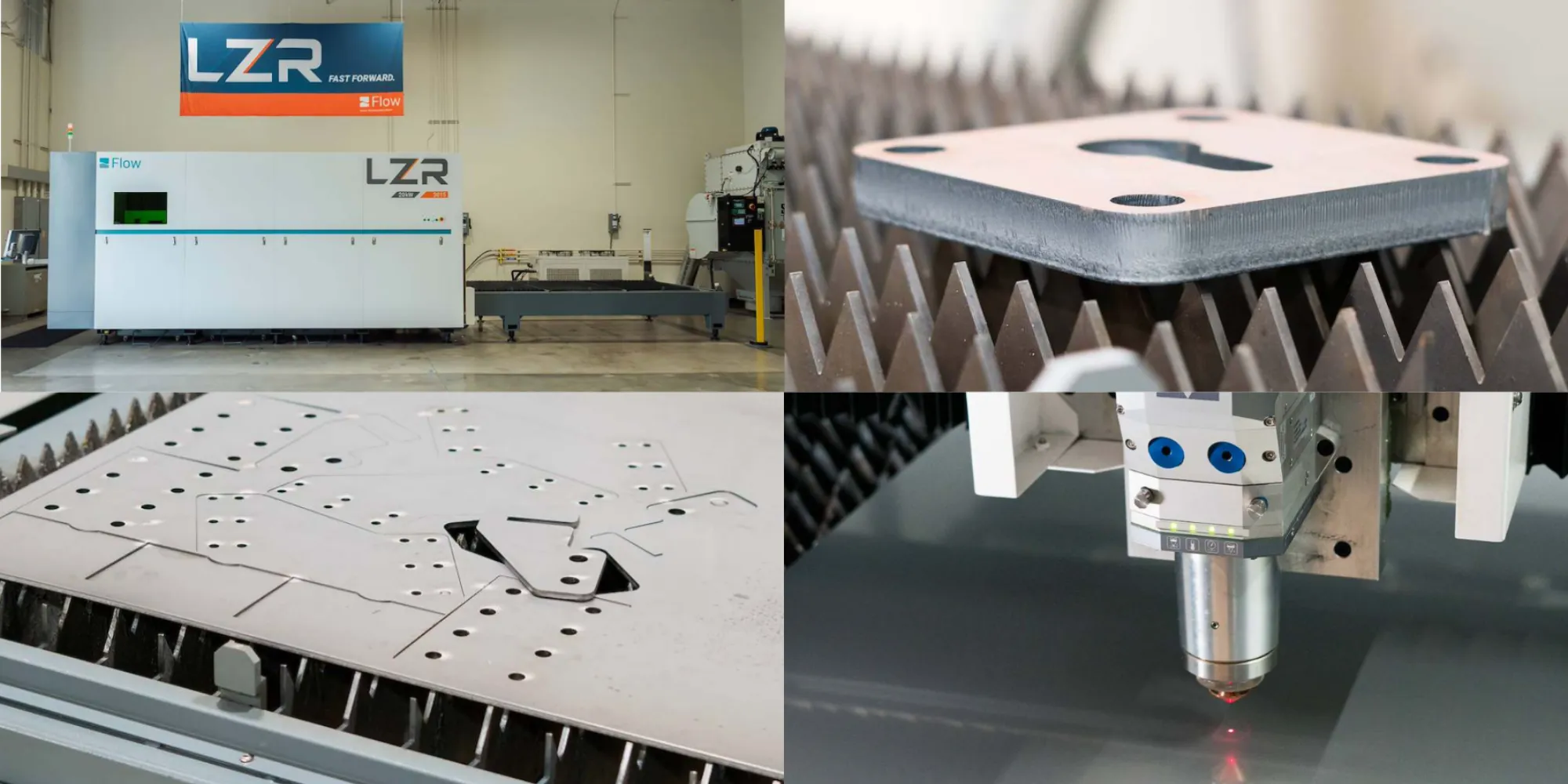
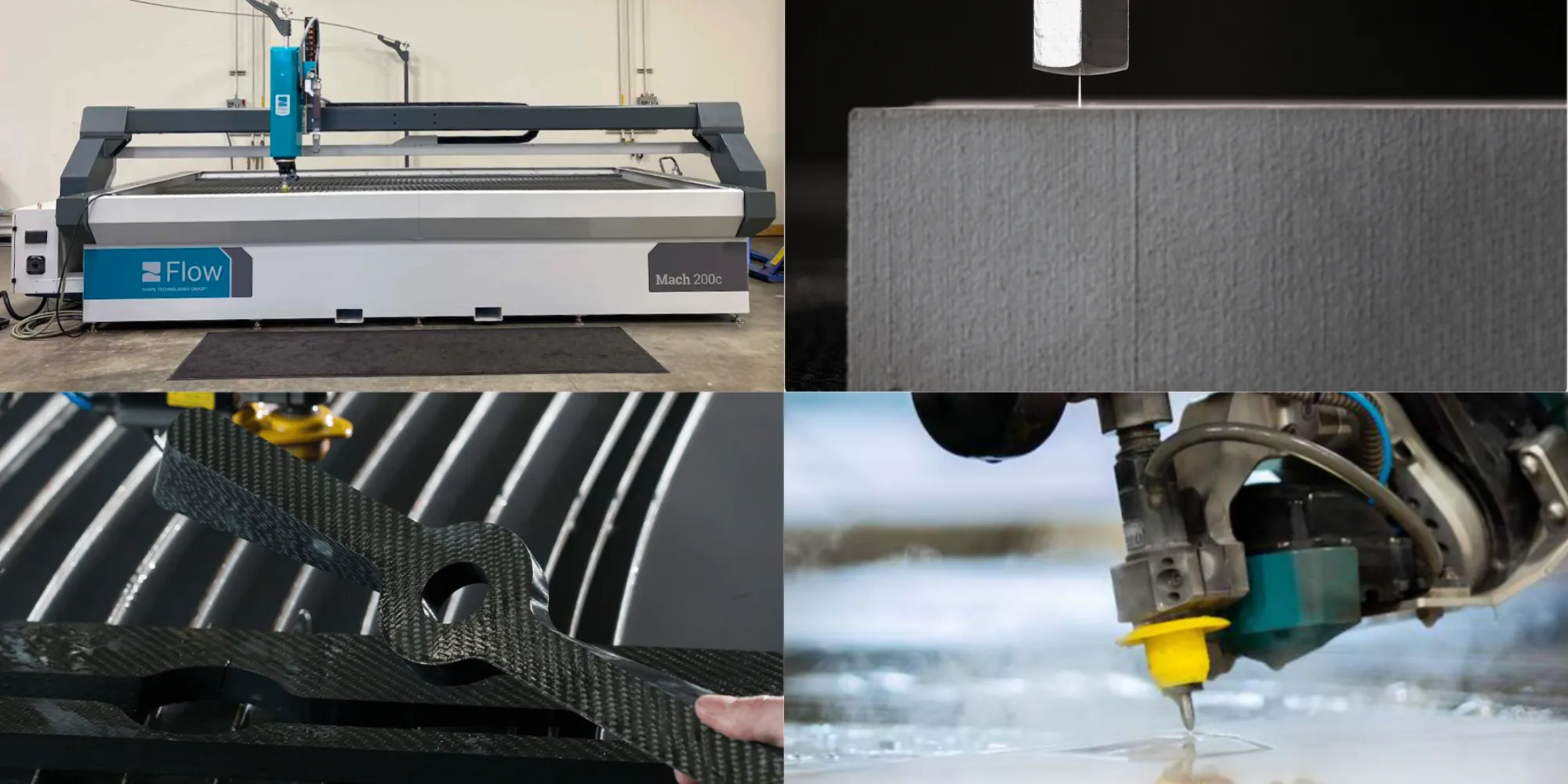
Fiber laser brings speed and production capability to metal processing. Waterjet adds the flexibility to take on a much broader range of materials while delivering the advantages of cold cutting. Together, they create a more versatile cutting operation, one that can put the strengths of each technology to work where they make the most sense.
Because Flow offers both waterjet and fiber laser cutting systems, we can approach the conversation by starting with your application, not a single cutting technology. Material type and thickness, production requirements, part complexity, and future needs can all help determine the right process, or combination of processes, for your operation.
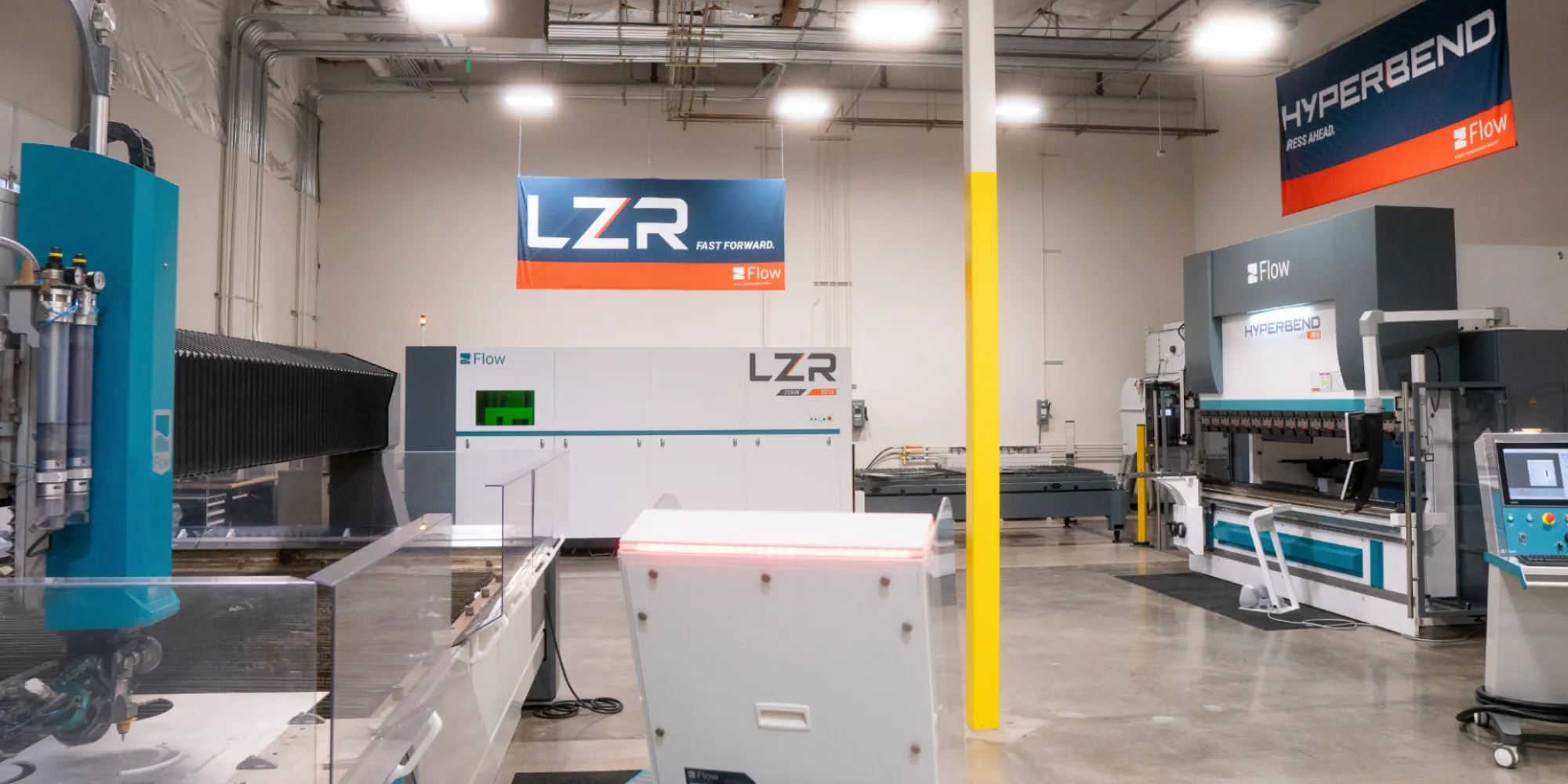
For speed-focused metal production, fiber laser brings serious capability. For material versatility and heat-free processing, waterjet expands the range of work your shop can take on. And when your operation demands both, you don’t necessarily have to choose.
With both waterjet and fiber laser solutions, Flow can help you evaluate your applications and determine the right technology, or combination of technologies, for your operation.
The goal is simple: build the right mix of capability to fabricate without constraint.
Understanding the Difference
At the most fundamental level, fiber laser and waterjet use two very different cutting processes.Fiber laser uses a concentrated beam of light to cut metal at high speed and precision. It is engineered for high-speed metal production and is especially effective where throughput, repeatability, and precision are critical.
Waterjet takes a completely different approach. Using ultrahigh-pressure water, either alone or combined with abrasive, waterjet removes material through a controlled erosion process rather than heat. The result is an exceptionally versatile cold-cutting process that can cut virtually any material without creating a heat-affected zone.
When a Fiber Laser Makes Sense
When speed and throughput are driving requirements, fiber laser can be an excellent fit for metal fabrication.Built for Production
Fiber laser is designed for high-speed metal processing, helping shops maximize throughput when cycle time is critical.Excellent for Sheet Metal Fabrication
For operations centered on aluminum, mild steel, and stainless steel sheet, fiber laser delivers the speed and precision demanded by high-production environments.Automation-Ready
For shops looking to scale production, Flow’s fiber lasers can integrate with automated sheet loading/unloading, storage, and other material-handling workflows.Best Applications for Fiber Lasers
Fiber lasers are especially well suited for high-speed, precision metal processing. Flow’s LZR, for example, handles aluminum, mild steel, and stainless steel, with automation capability for production-focused environments.When a Waterjet Makes Sense
When your work goes beyond conventional sheet metal, waterjet gives you the flexibility to take on an exceptionally broad range of materials, thicknesses, and applications.Cut Virtually Any Material
With pure and abrasive waterjet, you can cut virtually any material, including:- Metals
- Glass and stone
- Plastics and foam
- Composites
- Exotic materials
Cut Without a Heat-Affected Zone
Waterjet is a cold-cutting process, so there is no heat-affected zone to alter the material at the cut edge. That helps preserve the material’s original properties without heat-related distortion.Take On Difficult Materials
Waterjet’s versatility becomes especially valuable when you’re working with materials that can be challenging to machine, including composites, stone, ceramics, and glass.Best Applications for Waterjets
Waterjet is an especially strong choice when material versatility and heat-free cutting are critical. Its ability to process virtually any material while avoiding a heat-affected zone makes it a flexible solution across applications ranging from metal fabrication to aerospace.Why the Answer May Be Both
For some manufacturers, choosing between waterjet and fiber laser isn’t necessary. The technologies can complement one another, giving a shop more options for matching the cutting process to the job.Fiber laser brings speed and production capability to metal processing. Waterjet adds the flexibility to take on a much broader range of materials while delivering the advantages of cold cutting. Together, they create a more versatile cutting operation, one that can put the strengths of each technology to work where they make the most sense.
Because Flow offers both waterjet and fiber laser cutting systems, we can approach the conversation by starting with your application, not a single cutting technology. Material type and thickness, production requirements, part complexity, and future needs can all help determine the right process, or combination of processes, for your operation.
The Bottom Line
The best cutting technology isn’t defined by the machine. It’s defined by what you want to make.For speed-focused metal production, fiber laser brings serious capability. For material versatility and heat-free processing, waterjet expands the range of work your shop can take on. And when your operation demands both, you don’t necessarily have to choose.
With both waterjet and fiber laser solutions, Flow can help you evaluate your applications and determine the right technology, or combination of technologies, for your operation.
The goal is simple: build the right mix of capability to fabricate without constraint.